
问题描述
cj = cookielib.CookieJar()opener = urllib2.build_opener(urllib2.HTTPCookieProcessor(cj))opener.open('http://abc.com')opener.open('http://google.com')如您所见,我使用 opener 访问不同的网站,使用 cookie jar.我可以设置一个标头,以便每次访问网站时都应用标头吗?
你可以直接将headers添加到build_opener返回的OpenerDirector对象.从 urllib2 docs 中的最后一个示例:
OpenerDirector 会自动为每个请求添加一个 User-Agent 标头.要改变这一点:
导入urllib2opener = urllib2.build_opener()opener.addheaders = [('用户代理', 'Mozilla/5.0')]opener.open('http://www.example.com/')<块引用>
另外,请记住,在将请求传递给 urlopen()(或 OpenerDirector.open())时会添加一些标准标头(Content-Length、Content-Type 和 Host).
cj = cookielib.CookieJar()
opener = urllib2.build_opener(urllib2.HTTPCookieProcessor(cj))
opener.open('http://abc.com')
opener.open('http://google.com')
As you can see, I use opener to visit different websites, using a cookie jar. Can I set a header so that each time a website is it, the header is applied?
You can add the headers directly to the OpenerDirector object returned by build_opener. From the last example in the urllib2 docs:
OpenerDirector automatically adds a User-Agent header to every Request. To change this:
import urllib2
opener = urllib2.build_opener()
opener.addheaders = [('User-agent', 'Mozilla/5.0')]
opener.open('http://www.example.com/')
Also, remember that a few standard headers (Content-Length, Content-Type and Host) are added when the Request is passed to urlopen() (or OpenerDirector.open()).
这篇关于如何向 urllib2 开启程序添加标题?的文章就介绍到这了,希望我们推荐的答案对大家有所帮助,也希望大家多多支持跟版网!

 大气响应式网络建站服务公司织梦模板
 高端大气html5设计公司网站源码
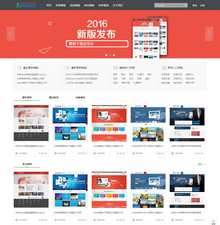 织梦dede网页模板下载素材销售下载站平台(带会员中心带筛选)
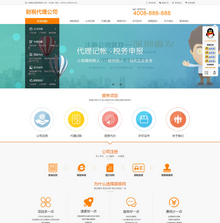 财税代理公司注册代理记账网站织梦模板(带手机端)
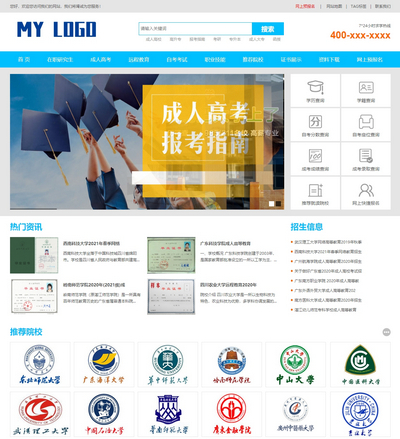 成人高考自考在职研究生教育机构网站源码(带手机端)
 高端HTML5响应式企业集团通用类网站织梦模板(自适应手机端)